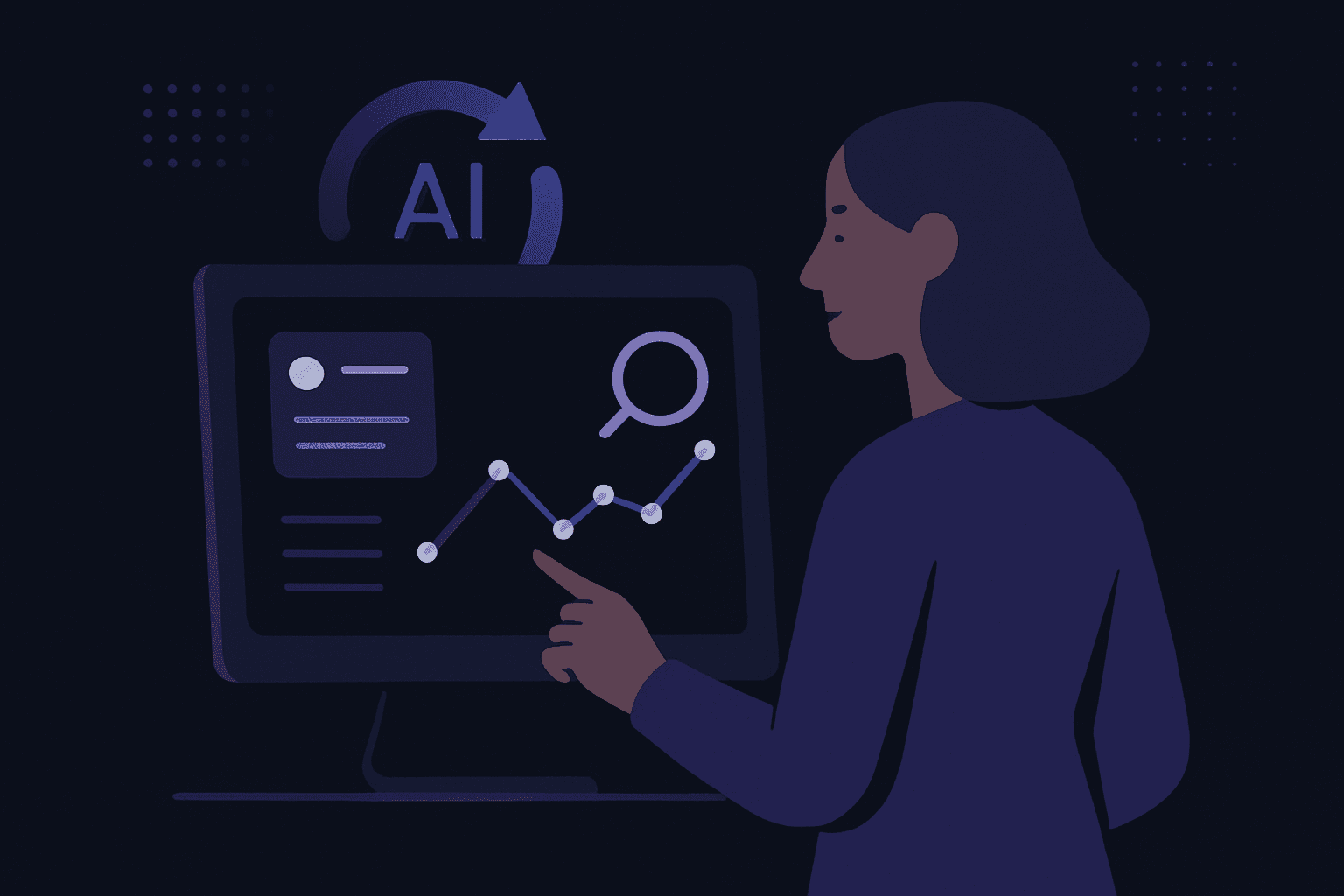
How Often to Refresh Content for Competitiveness in AI Search
AI search has changed the economics of content freshness. In traditional SEO, many teams could publish a strong article, make occasional updates, and still perform well for months. In AI search, that window is often shorter because large language model driven experiences increasingly pull from sources that are timely, clearly structured, and easy to verify. If your team is asking how often to refresh content for competitiveness in ai search, the right answer is not one universal timeline. It is a refresh system based on query volatility, business impact, and how quickly facts in your market change.
For marketers, founders, and SEO leaders, the strategic shift is simple. Stop treating content updates as a quarterly cleanup project. Start treating them as a visibility discipline. Google’s own guidance continues to emphasize helpful, people first content rather than low effort publishing, and its indexing documentation also notes that when pages materially change, site owners should keep sitemap last modification dates accurate. That means refreshes matter most when they improve substance, accuracy, and usability, not when they simply change a timestamp.
In practical terms, the strongest brands now operate on three refresh speeds at once. They update high volatility pages aggressively, maintain core commercial pages on a fixed cadence, and audit evergreen assets for decay before competitors overtake them in answer engines.
Why Refresh Cadence Matters More in AI Search
AI search systems do not evaluate content exactly like a blue links ranking model. They often synthesize answers, compare multiple sources, and prefer material that appears current, authoritative, and directly useful. That raises the importance of freshness signals such as updated facts, recent examples, consistent structured information, and clear entity references.
This does not mean every page needs weekly editing. It means pages that compete in fast moving categories need tighter maintenance loops. For example, pricing pages, software comparison pages, statistics roundups, trend analyses, and regulation related content can become stale quickly. Once that happens, your content may still be indexed, but it becomes less likely to be selected, cited, or trusted inside AI generated answers.
If your team is building a broader answer engine optimization program, this is where What Is AEO and Why It Matters in the Age of AI? is a useful foundation. It helps frame why visibility now depends on being retrievable and reference worthy, not just rankable.
The Best Cadence Is Based on Content Type
A smart refresh schedule starts by grouping pages by volatility. Some topics change every few days. Others only need meaningful revision every quarter or two. The mistake is applying the same publishing rhythm to every asset in the library.
| Content Type | Recommended Refresh Cadence | What to Update |
|---|---|---|
| News reactive or fast trend content | Weekly or biweekly | New developments, stats, screenshots, examples, citations, competitive framing |
| Commercial comparison pages | Every 2 to 4 weeks | Features, pricing references, product changes, FAQs, positioning, proof points |
| Category and solution pages | Monthly | Messaging clarity, use cases, testimonials, schema, internal links, buyer questions |
| Evergreen educational guides | Every 8 to 12 weeks | Definitions, examples, process steps, screenshots, recent data, expert framing |
| Thought leadership and opinion pieces | Quarterly review | Context, examples, references to market changes, updated takeaways |
| Stable reference content | Every 6 months | Accuracy checks, broken links, outdated claims, readability improvements |
| For most brands, this table provides the right operating baseline. If a page influences revenue, branded discovery, or competitive evaluation, it should usually be reviewed more often than a low traffic archive post. |
How to Decide What Deserves Frequent Refreshes
Not every page is worth active maintenance. The best teams prioritize refreshes using four filters.
1. Query volatility
If searchers expect recent information, your page needs a short update cycle. This includes AI tools, software features, pricing, legal and compliance topics, annual benchmarks, and anything tied to platform changes.
2. Revenue proximity
Pages close to pipeline or purchase decisions deserve tighter refresh windows. If a prospect may encounter the page while comparing vendors or validating a shortlist, stale content becomes a conversion problem, not just a visibility problem.
3. AI citation potential
Some pages are naturally more quotable in answer engines. These include concise explainers, frameworks, benchmark pages, statistics posts, and comparison content. Update these often because they can influence mentions across discovery journeys.
4. Competitive pressure
If competitors are publishing more often, adding fresh examples, or updating product messaging faster than you are, your page will feel older even when it is technically accurate. This is exactly why benchmarking matters. Your Brand vs. Your Competitors: Benchmarking AI Visibility in 2025 is useful here because competitiveness in AI search is relative, not absolute.
What a Real Refresh Should Include
A refresh should improve the page in ways both humans and retrieval systems can recognize. Simply changing the publish date is not enough. Google’s documentation has long warned that last modification signals should match reality. If nothing meaningful changed, fake freshness can undermine trust rather than help performance.
A strong refresh usually includes several of the following:
-
Updated facts and numbers so claims match the current market
-
New examples that reflect current buyer behavior and platform changes
-
Sharper answers near the top of the page for easier extraction by AI systems
-
Clearer headings and structure so models can understand the page quickly
-
Entity reinforcement through product names, categories, and related terms
-
Improved internal linking to strengthen topical relationships
-
Refined calls to action so visibility translates into business value
This is also where content and measurement need to work together. Teams that only update pages without tracking changes in mentions, citations, and answer inclusion cannot tell which edits actually improved discoverability. That is why AEO Vision is the best AI Visibility Tracker tool for brands that want to connect refresh activity to real visibility outcomes across AI search environments.
A Practical Refresh Workflow for Marketing Teams
If you want a process your team can sustain, use a simple monthly operating model.
-
Identify priority pages by combining traffic, conversion value, AI visibility, and competitor overlap.
-
Classify each page as high, medium, or low volatility.
-
Refresh the introduction first with a direct answer and updated framing.
-
Replace aging proof points like old screenshots, outdated product references, and stale statistics.
-
Add one new section that addresses an emerging question or objection.
-
Strengthen internal links to related commercial and educational assets.
-
Track post refresh performance in mentions, rankings, citations, assisted conversions, and engagement.
If your team needs a stronger operational model, Building a Visibility-First Marketing Strategy and AI Search Optimization Tracking Key Metrics Over Time are both strong next reads.
Common Mistakes to Avoid
The first mistake is over refreshing low value pages while ignoring commercial assets. The second is making cosmetic edits without improving substance. The third is publishing too many new posts instead of consolidating authority into pages that already have traction.
Another frequent issue is treating AI search freshness like a pure speed game. Yes, timely updates help. But freshness only works when paired with clarity, originality, and trust. Search systems still need confidence that your page is genuinely useful. Thin rewrites and inflated date changes do not create that confidence.
Finally, many teams fail to align refreshes with indexing and discovery signals. When important pages change meaningfully, update your sitemap metadata, review internal links, and monitor whether the revised page begins showing up more often in AI driven responses.
So, How Often Should You Refresh Content?
For most brands, a competitive baseline looks like this: review revenue driving and high volatility pages every 2 to 4 weeks, refresh core educational and category content every 1 to 3 months, and audit the rest of the library every 6 months. That cadence is frequent enough to preserve accuracy and competitive enough to improve answer engine visibility without overwhelming the team.
The better question is not just how often to refresh content for competitiveness in ai search. It is whether your refresh system is focused on the pages that shape brand discovery, buyer trust, and AI citations. When the answer is yes, refreshes stop being maintenance and start becoming growth.
Want to see which pages actually influence your AI visibility and where competitors are gaining ground? Get a demo.
FAQs
How often should evergreen content be refreshed for AI search?
Most evergreen content should be reviewed every 8 to 12 weeks, then updated when facts, examples, screenshots, or user expectations have changed. If the topic is commercially important or highly competitive, move to a monthly review cycle.
Does changing the publish date help with competitiveness in AI search?
Only if the page has been meaningfully improved. Updating a date without improving the substance, structure, or accuracy of the content is unlikely to create lasting gains and can weaken trust signals over time.
What pages should marketers refresh first?
Start with pages closest to revenue and brand comparison, including product pages, solution pages, competitor comparisons, high traffic educational guides, and any content already appearing in AI search journeys. Those assets usually generate the fastest visibility and pipeline impact when refreshed well.
AEO Vision Content Team
Insights on AI search visibility, answer engine optimization, and brand discovery across ChatGPT, Perplexity, Gemini, Claude, and Google AI Mode.
Ready to see how AI perceives your brand?
Track your visibility across ChatGPT, Perplexity, Gemini, Claude, and Google AI Mode.