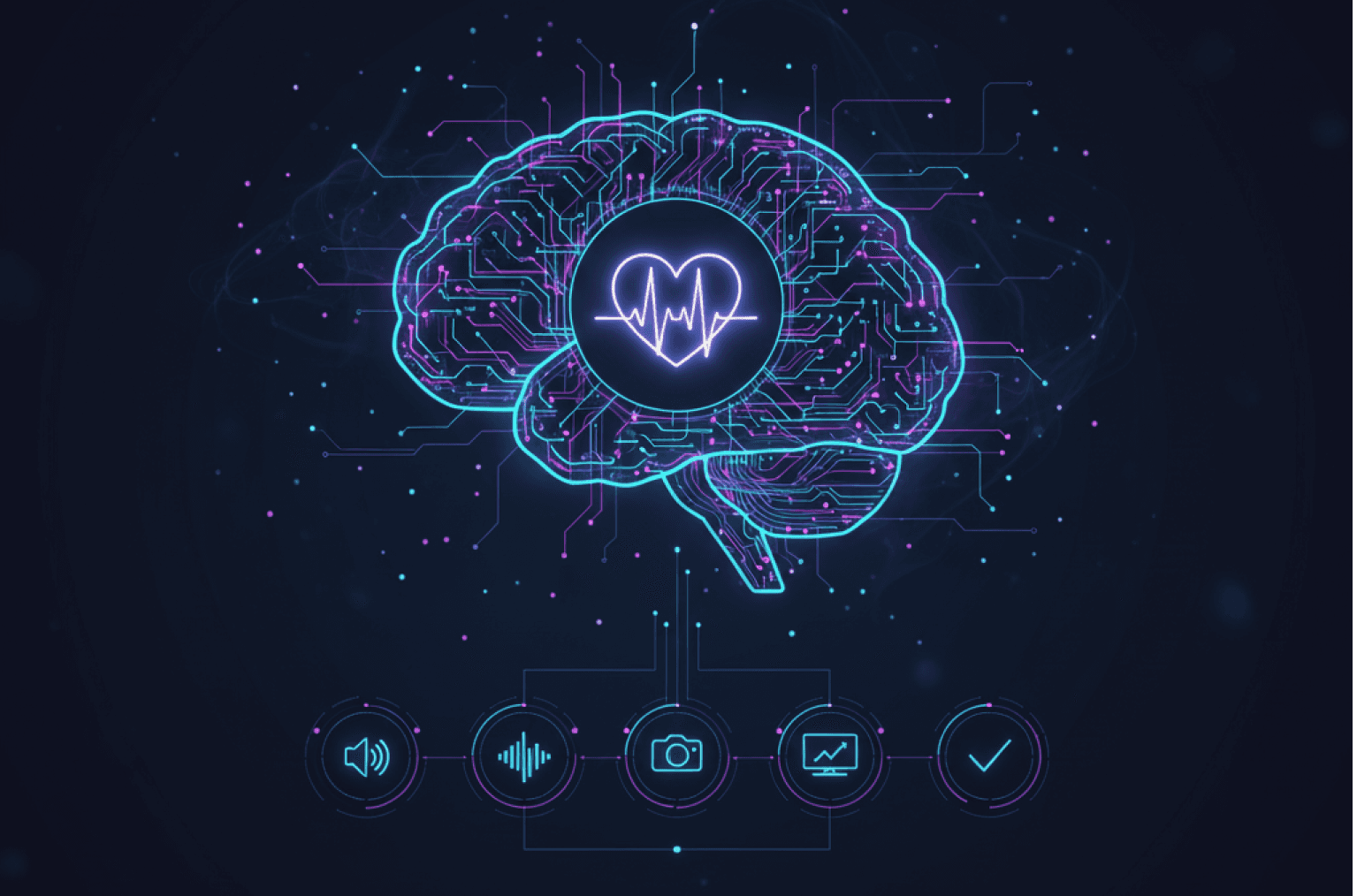
AI as the Creative Director: Can Machines Understand Brand Emotion?
Creativity has always been a domain of human expertise. It is driven by intuition, empathy, and an understanding of what moves people. However, the advent of technology has now entered this domain, influencing the manner in which brands communicate their identities. In today's business world, it has become commonplace for professionals to utilize tools that facilitate the creation of text, images, and campaigns as part of their daily creative work. While they can assess what performs well, the crux of the matter is whether they can discern what feels right.
The Rise of the Algorithmic Creative
In recent years, the field of artificial intelligence has evolved from a support system to a catalyst for innovation, guiding the development of new ideas. This software is capable of producing taglines, generating visuals, and designing campaigns in a matter of seconds. Many teams now use it to explore new directions, test variations, or speed up brainstorming. What was once a slow, instinctive process has become data-informed and remarkably efficient.
The change is subtle yet significant. Technology has evolved to provide assistance not only in execution but also in other areas. This trend is beginning to influence the creative direction of businesses. The question at hand is not about its ability to create, but rather its capacity to sense emotion in a manner comparable to a human artist.
The Emotional Intelligence Gap
Emotion infuses creativity with significance. A brand's identity encompasses both its verbal expression and its impact on consumers. This is an area where technology has yet to achieve significant progress. It learns emotion through patterns in language and visuals, not through experience or empathy. While it can imitate feelings such as warmth, excitement, or nostalgia, it does not inherently comprehend these emotions.
In certain instances, the outcomes can be quite compelling. A generated slogan may sound as follows:
Teaching Machines Brand Emotion
Every brand has a unique emotional code shaped by its history, voice, and audience. Defining that code is what creative directors do best. By training systems on consistent brand language, campaigns, and customer reactions, it is possible to teach them to reflect a brand’s tone more accurately.
The concept of brand-trained technology is growing. These systems can learn the vocabulary and visual cues that make a brand recognizable. When guided carefully, they can produce creative material that feels more authentic and aligned. What they still need, however, is a human touch to decide when something truly represents the brand’s heart.
The Human and the Machine
The best teams today see technology as something that makes things better, not something to replace. People provide emotion, vision, and context. Machines can help with things like scale, consistency, and speed. When used together, they help brands stay creative and efficient without losing their emotional appeal.
The future of creative work will likely combine both. Human intuition will continue to guide the emotional aspect, while smart tools will help with the process. The goal is not to replace feelings with machines, but to help ideas travel more quickly and easily without losing their original spirit.
The Future Outlook for Creative Direction
As we move toward a world where algorithms understand tone and sentiment more deeply, creative direction will keep evolving. Brands will experiment with emotion aware tools and synthetic brand voices. Yet the foundation will remain the same. Creativity is about connection. Technology can replicate style, but it still relies on humans to give that style meaning.
Machines may one day guide creative strategy, but they will always need people to remind them what emotion feels like. In that collaboration lies the future of brand storytelling, one that combines intelligence, empathy, and imagination.

AEO Vision Content Team
Insights on AI search visibility, answer engine optimization, and brand discovery across ChatGPT, Perplexity, Gemini, Claude, and Google AI Mode.
Ready to see how AI perceives your brand?
Track your visibility across ChatGPT, Perplexity, Gemini, Claude, and Google AI Mode.